Planned preventative maintenance
Stop drainage and
plumbing emergencies
happening in the first place
Scheduled jetting, CCTV and plumbing inspections for landlords, commercial sites and multi-property portfolios across Kent. Predictable visits, predictable costs, no Sunday-night surprises.
What it covers
Reactive call-outs cost three times what scheduled maintenance does
Almost every drainage and plumbing emergency we attend was avoidable. The cause was building for months — fat layering in a kitchen drain, scale in a cylinder, roots in a clay joint, a slowly failing flexi-hose — and a £150 inspection six months earlier would have flagged it. Planned preventative maintenance is simply paying attention before the problem pays you a visit.
Our PPM programmes are written around the property and the user. Commercial kitchens and restaurants typically need quarterly jetting; care homes and retail food units six-monthly; offices, salons and gyms annually. Landlords with portfolios run lighter annual inspections per property with a single coordinator.
Every visit produces an itemised report covering what was checked, what was cleared, what's flagged and what we'd recommend. The reports are kept on file for your EHO, landlord licence or insurance audit purposes, and you get a single named contact for the contract.
What happens if you wait
The cheapest emergency is the one that never happens
Emergency call-outs cost more than scheduled visits. They cost more in the call-out fee, more in the damage caused before we arrive, more in lost trading hours for commercial sites, and more in the goodwill burnt with tenants when a Sunday-night flood ruins a kitchen ceiling. PPM is simply moving spend from reactive to predictable.
Commercial kitchens that don't manage FOG properly fail inspections, lose hygiene ratings and risk forced closure.
Repeat drainage and plumbing failures sit at the top of tenant complaint lists — and increasingly drive deposit and HMO disputes.
Insurers are tightening requirements on commercial and HMO properties. Documented PPM is increasingly expected, not just appreciated.
Common mistakes we fix every week
- Treating PPM as 'something for next year' until the first emergency happens.
- Letting tenants book their own reactive plumbing — losing oversight and consistency.
- Annual single-visit jetting on a kitchen that needed quarterly attention.
- Skipping cylinder G3 inspections on unvented systems — a notifiable safety check.
- Not keeping written records of what was inspected and what was found.
- Trying to coordinate four different trades on a portfolio instead of using one accountable provider.
Our process
A predictable, step-by-step system — no surprises, no upsells
-
STEP 01Onboarding survey
Walk the property or portfolio, document existing systems, agree the right schedule.
-
STEP 02Schedule & contract
Fixed annual price, written schedule, named contact and clear scope on every visit.
-
STEP 03Scheduled visits
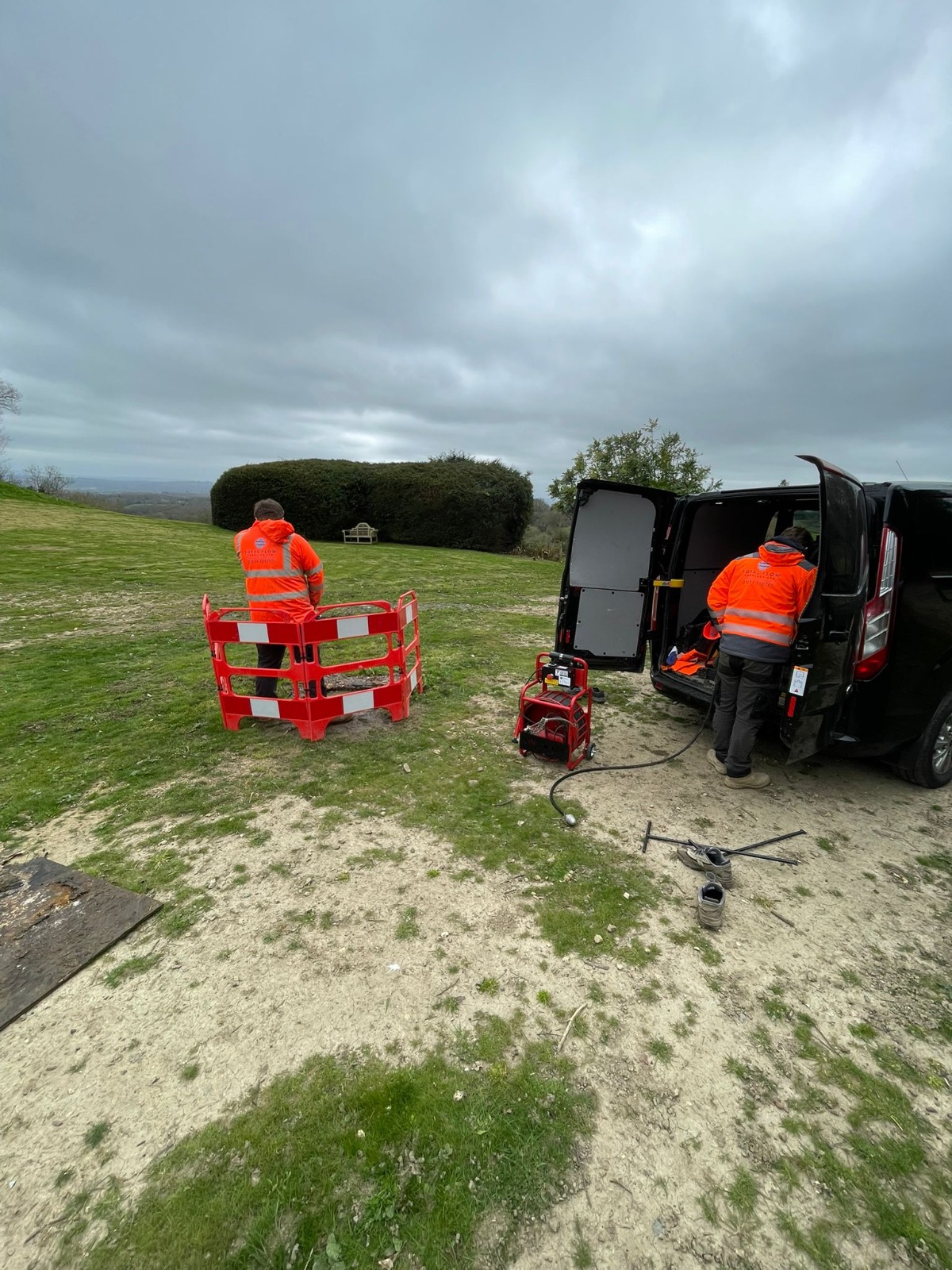
Engineers arrive on the agreed date with the right kit — jetting, CCTV, plumbing inspection.
-
STEP 04Itemised reporting
Each visit ends with a written report — what was done, what was found, what we recommend.
-
STEP 05Quoted remedials
Any defects discovered are quoted as a fixed price separately — never bundled or sneaked into invoices.
What you get
Concrete outcomes — not vague promises
Fixed annual price written into the contract — no per-visit surprises.
Most PPM customers see emergency call-outs drop by 70%+ in the first year.
Itemised records on file for EHO, landlord licensing and insurance audits.
Plumbing and drainage covered by one team — no finger-pointing between trades.
PPM customers get priority booking for any emergency or remedial work between visits.
We tell you when the property doesn't need a quarterly visit — annual is fine for most domestic landlords.
Technical detail
What a properly written PPM contract actually contains
Most 'maintenance contracts' offered to commercial and landlord clients are loose, vague and quietly priced to take advantage of the customer who doesn't ask hard questions. A real PPM contract is specific about what's done, what's checked, what's reported and what's excluded.
Schedule selection by property type
Schedules are written from how the property is actually used, not from a generic template. A 200-cover restaurant needs quarterly drain jetting and monthly grease-trap servicing. A 12-bed care home needs six-monthly drainage and plumbing inspections with a separate cylinder check. A four-property landlord portfolio is fine on a single annual walk per house.
- Quarterly — high-throughput commercial kitchens, restaurants, large care homes
- Six-monthly — moderate commercial, retail food units, smaller care homes
- Annual — offices, salons, gyms, domestic landlord portfolios
What's checked on every visit
Visits follow a written checklist that varies by property type but typically includes: main drain jetting and CCTV verification, internal waste pipe checks, isolation valve operation, visible pipework inspection, cylinder and immersion check (where applicable), and outside tap and external waste checks. Anything found gets photographed and reported.
Reporting and record keeping
Each visit produces an itemised report — date, engineer, scope checked, findings, recommendations and any photographs. Reports are emailed within 48 hours and held on file for the contract duration. They're the evidence pack you hand to EHO inspectors, mortgage assessors, insurers and landlord licensing officers.
Remedials and out-of-scope work
PPM contracts cover scheduled inspection and maintenance — they don't disguise unrelated repair work as 'included'. Any defects we find are quoted as a separate fixed price, with no obligation to use us for the repair. PPM customers do get priority response and a discounted call-out rate on any emergency or remedial work between visits.
Frequently asked
Straight answers to the questions Kent homeowners ask us most
How much does a PPM contract cost?+
Annual cost depends on property type, visit frequency and number of properties. A typical four-property landlord portfolio with annual visits runs from a few hundred pounds per year; a quarterly-jetted restaurant from around £1,200.
What's the minimum contract length?+
12 months as standard. We don't lock customers in beyond that — most stay because the visits genuinely reduce emergencies.
Will PPM stop all emergencies happening?+
No — but it dramatically reduces them. Most PPM customers see emergency call-outs drop by 70%+ in the first year, and the emergencies that do happen are usually unrelated to scope (e.g. external impact damage).
Do you cover plumbing and drainage on the same contract?+
Yes — that's the whole point. One team, one contract, one accountable supplier across both.
What if I find a defect between visits?+
PPM customers get priority emergency response and a discounted call-out rate. Most defects get fixed inside 48 hours.
Will you provide records for my EHO inspection?+
Yes — all reports are written to a format that satisfies EHO, landlord licensing and major UK insurer requirements.
Can you cover multi-site commercial portfolios?+
Yes. We have a number of multi-site customers across Kent and the South East — single coordinator, single monthly invoice, individual site reports.
What if I want to cancel?+
12-month contracts run to completion; after that we renew annually and either party can opt out with 30 days' notice.
Related services
Areas we cover
Stop paying for emergencies you could have prevented.
Free PPM proposal across Kent. Fixed annual pricing, written schedule, single accountable supplier.
Fully insured · Workmanship guarantee · 7 days a week